Butterkäse
Frühstück • Deutschland
Über Butterkäse
Mild buttery semi-soft sliceable cheese
How to Make Butterkäse (Traditional & Healthy Version)
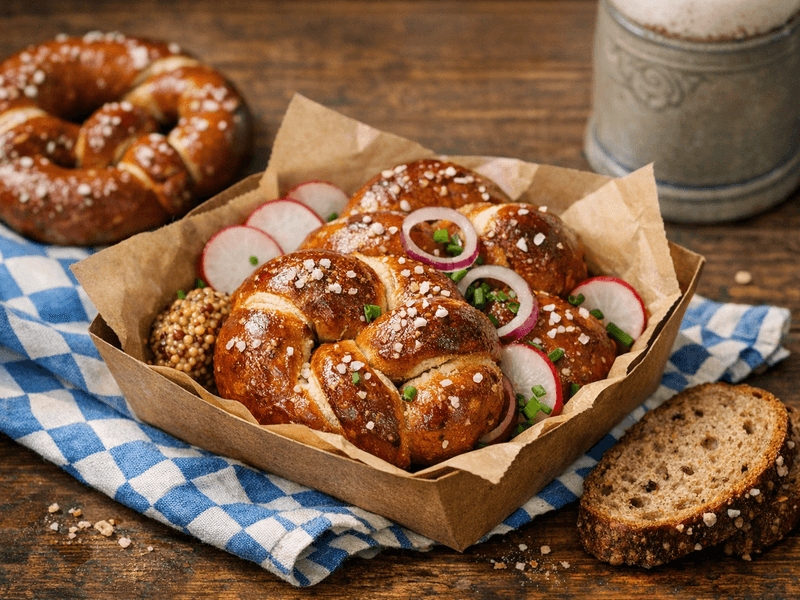
Butterkäse, which translates to 'butter cheese' in German, is a beloved semi-soft cheese known for its mild, creamy flavor and smooth texture. Originating from Northern Germany, Butterkäse has been a staple in German breakfast culture for generations, often featured on rustic breads or in open-faced sandwiches. Its delicate taste and melt-in-your-mouth consistency make it an accessible cheese for all ages, pairing perfectly with whole grain breads, fresh vegetables, and fruit spreads. Traditionally enjoyed during breakfast or a light lunch, Butterkäse is celebrated for its versatility and nutritional value. German families often include Butterkäse on their Frühstückstisch (breakfast table), alongside other regional cheeses, cold cuts, and hearty breads. Its rich, buttery notes offer a comforting start to the day, while providing a satisfying, protein-rich option for vegetarians. This healthy, homemade version captures the authentic essence of German Butterkäse, using simple ingredients and a lighter approach suitable for calorie-conscious eaters worldwide.
Zutaten(für 2 slices Butterkäse on 2 slices whole grain German bread with garnish)
- 120g Butterkäse cheese (freshly sliced)
- 4 slices Whole grain German bread (Roggenbrot) (dense rye or mixed grain)
- 4 Radishes (thinly sliced)
- 1/2 Cucumber (thinly sliced)
- 2 tbsp Fresh chives (finely chopped)
- 1 tbsp Butter (light) (optional, for spreading) - optional
- to taste Sea salt
- to taste Freshly ground black pepper
- 1/4 cup Sprouts (alfalfa or radish) (for garnish) - optional
Anleitung
- 1
Prepare the vegetables by washing and thinly slicing the radishes and cucumber. Chop fresh chives finely.
5 minutes
Use a mandoline for even, thin slices.
- 2
If desired, lightly toast the whole grain German bread to enhance flavor and texture.
5 minutes
Toasting brings out the bread’s nutty notes.
- 3
Optional: Spread a thin layer of light butter on each bread slice for added richness.
2 minutes
You can skip butter to reduce calories.
- 4
Layer 1-2 slices of Butterkäse cheese onto each piece of bread.
2 minutes
Ensure cheese is at room temperature for best flavor.
Warum dieses Gericht gesund ist
This Butterkäse breakfast is a wholesome, nutrient-dense option that combines high protein and healthy fats from the cheese with the fiber and slow-release carbs of whole grain bread. Fresh vegetables add micronutrients and hydration, making this meal filling yet moderate in calories. It’s suitable for vegetarians and can be easily adapted for various dietary needs, supporting weight management and sustained energy throughout the morning.
Butterkäse is a good source of high-quality vegetarian protein and calcium, supporting bone and muscle health. Using whole grain German bread adds complex carbohydrates, dietary fiber, B-vitamins, and essential minerals such as iron and magnesium. Fresh vegetables and chives boost the vitamin C, potassium, and antioxidant content of this meal. This breakfast provides a balanced macro profile with approximately 22g protein, and is lower in saturated fat when light butter is used or omitted.
Profi-Tipps
- 💡Tip 1: Bring Butterkäse to room temperature before serving for maximum creaminess.
- 💡Tip 2: Use dense, authentic German rye bread for a true taste of Germany.
- 💡Tip 3: Vary the toppings with seasonal herbs or microgreens for extra nutrition and flavor.
Aufbewahrung und Servieren
Store Butterkäse cheese wrapped in wax paper or parchment in the refrigerator for up to one week. Assembled sandwiches are best enjoyed fresh but can be kept in an airtight container for up to one day.
Am besten geeignet für: Breakfast or Lunch
Nährwerte
| Nährstoff | Pro 100g |
|---|---|
| Energie | 360.0 kcal |
| Protein | 22.0 g |
| Kohlenhydrate | 0.0 g |
| Gesamtfett | 30.0 g |
| Ballaststoffe | 0.0 g |
| Zucker | 0.1 g |
| Natrium | 400.0 mg |
| Kalium | 120.0 mg |
| Cholesterin | 60.0 mg |
| Vitamin A | 250.0 IU |
| Vitamin C | 0.0 mg |
| Kalzium | 650.0 mg |
| Eisen | 0.2 mg |
| Magnesium | 25.0 mg |
| Zinc | 2.5 mg |
| Phosphorus | 400.0 mg |
| Vitamin D | 0.5 IU |
| Vitamin B1 (Thiamine) | 0.0 mg |
| Vitamin B2 (Riboflavin) | 0.3 mg |
| Vitamin B3 (Niacin) | 0.1 mg |
| Vitamin B6 | 0.1 mg |
| Vitamin B12 | 1.5 µg |
| Folate | 12.0 µg |